
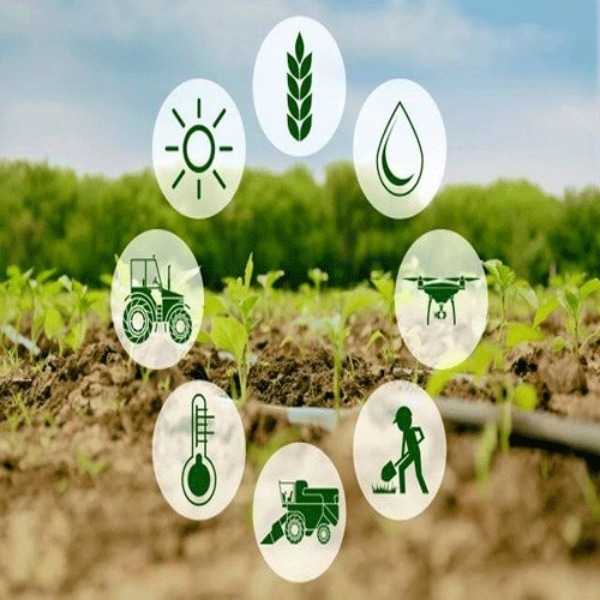
Developing a 3D farm development plan for a 2-acre show papaya farm involves careful consideration of various factors such as land preparation, planting layout, irrigation, fertilization, pest and disease management, and harvesting. Here's a comprehensive plan: 1. Land Preparation: Clear the land of any debris, rocks, or unwanted vegetation. Conduct soil tests to determine pH levels and nutrient content. Prepare the soil by plowing, harrowing, and leveling to create a suitable planting bed. 2. Planting Layout: Optimize spacing to allow adequate sunlight penetration and airflow between plants. Consider a spacing of 8 feet between rows and 5 feet between plants within the rows for papaya. Arrange the plants in rows oriented in a north-south direction to maximize sunlight exposure. 3. Irrigation: Install a drip irrigation system to provide consistent moisture to the plants while minimizing water usage. Divide the farm into irrigation zones based on water requirements and slope variations. Monitor soil moisture regularly and adjust irrigation schedules accordingly. 4. Fertilization: Apply organic compost or well-decomposed manure before planting to improve soil fertility. Implement a regular fertilization schedule using balanced fertilizers containing nitrogen, phosphorus, and potassium. Consider foliar feeding with micronutrients to address any nutrient deficiencies. 5. Pest and Disease Management: Implement integrated pest management (IPM) strategies to control pests and diseases sustainably. Monitor the farm regularly for signs of pests and diseases and take appropriate action, such as applying biopesticides or introducing beneficial insects. Practice crop rotation and sanitation to minimize the buildup of pests and diseases. 6. Crop Maintenance: Prune papaya trees regularly to remove dead or diseased branches and maintain an open canopy for better fruit development. Provide support to young papaya plants to prevent lodging during strong winds or heavy fruit loads. Mulch around the base of the plants to conserve soil moisture, suppress weeds, and regulate soil temperature. 7. Harvesting: Monitor the papaya fruits for maturity, typically indicated by changes in color and firmness. Harvest the fruits carefully to avoid damage, using sharp pruning shears or a knife. Handle the harvested fruits gently to prevent bruising and maintain quality.


This is your website preview.
Currently it only shows your basic business info. Start adding relevant business details such as description, images and products or services to gain your customers attention by using Boost 360 android app / iOS App / web portal.
Developing a 3D farm development plan for a 2-acre show papaya farm involves careful consideration o...
2026-01-02T08:07:38
Developing a 3D farm development plan for a 2-acre show papaya farm involves careful consideration of various factors such as land preparation, planting layout, irrigation, fertilization, pest and disease management, and harvesting. Here's a comprehensive plan: 1. Land Preparation: Clear the land of any debris, rocks, or unwanted vegetation. Conduct soil tests to determine pH levels and nutrient content. Prepare the soil by plowing, harrowing, and leveling to create a suitable planting bed. 2. Planting Layout: Optimize spacing to allow adequate sunlight penetration and airflow between plants. Consider a spacing of 8 feet between rows and 5 feet between plants within the rows for papaya. Arrange the plants in rows oriented in a north-south direction to maximize sunlight exposure. 3. Irrigation: Install a drip irrigation system to provide consistent moisture to the plants while minimizing water usage. Divide the farm into irrigation zones based on water requirements and slope variations. Monitor soil moisture regularly and adjust irrigation schedules accordingly. 4. Fertilization: Apply organic compost or well-decomposed manure before planting to improve soil fertility. Implement a regular fertilization schedule using balanced fertilizers containing nitrogen, phosphorus, and potassium. Consider foliar feeding with micronutrients to address any nutrient deficiencies. 5. Pest and Disease Management: Implement integrated pest management (IPM) strategies to control pests and diseases sustainably. Monitor the farm regularly for signs of pests and diseases and take appropriate action, such as applying biopesticides or introducing beneficial insects. Practice crop rotation and sanitation to minimize the buildup of pests and diseases. 6. Crop Maintenance: Prune papaya trees regularly to remove dead or diseased branches and maintain an open canopy for better fruit development. Provide support to young papaya plants to prevent lodging during strong winds or heavy fruit loads. Mulch around the base of the plants to conserve soil moisture, suppress weeds, and regulate soil temperature. 7. Harvesting: Monitor the papaya fruits for maturity, typically indicated by changes in color and firmness. Harvest the fruits carefully to avoid damage, using sharp pruning shears or a knife. Handle the harvested fruits gently to prevent bruising and maintain quality.
2026-01-02T08:07:38


Submit Your Enquiry