
preview Which Banana Plant Variety Is Best for My Farm The best choice depends on what buyers will pay for, how much water your soil can hold without becoming waterlogged, and how the plant will withstand Maharashtra’s heat, winter and wind. By comparing fruit type, plant size, crop timing, market fit, planting density and ratoon performance, you can shortlist a variety using your own farm records rather than a nursery label alone. Key takeaways Choose the buyer and fruit market before selecting a banana plant. Tissue culture describes propagation, not a banana variety. Match plant size and spacing to soil, irrigation and wind exposure. Compare income across the plant crop and planned ratoons. Start with the buyer, not the nursery label Choose the buyer before you choose a plant. There is no single best banana plant variety for farming: the right choice depends first on whether you will sell export dessert fruit, domestic dessert fruit, cooking bananas or plantains. Target market Plant type to evaluate Buyer’s deciding points Export dessert fruit Export-accepted Cavendish types Uniform size, green-life, peel appearance and packhouse specifications Domestic dessert fruit Locally preferred dessert cultivars Flavour, colour, bunch size, retail demand and harvest timing Cooking market AAB plantains or AAA East African Highland bananas Cooking texture, starch content, taste and cultural preference Wholesale or processing Cultivars accepted by the named buyer Delivered price, volume, maturity and rejection rate Plantains are mainly AAB-group cooking bananas, while East African Highland bananas are predominantly AAA-group cooking bananas. Do not rank either against Cavendish using export-dessert standards; a variety that yields well can still fail if households, retailers or processors reject its fruit. Treat banana plant types for farms as a market decision filtered through climate, drainage, disease pressure and planting-material supply. FHIA-01 Goldfinger, FHIA-17 and FHIA-23 offer disease-resistance advantages in some production systems, but their flavour, bunch form, maturation and appearance may differ from Cavendish. Before ordering, show fruit samples or photographs to your intended buyer and record the accepted cultivar, minimum bunch weight, maturity stage and price basis. Test a small plot first; planting the wrong market type across an entire farm turns a biological success into unsold fruit. How Ajit, Ambemohar, tissue-culture plants and Red Banana compare Do not compare nursery names alone. To choose banana plant variety, record the same field results for each option: fruit type, buyer acceptance, mature height, pseudostem girth, canopy spread, bunch weight, days to harvest, sucker production and ratoon vigour. Option Fruit and market Plant and crop records Ratoon and income implications Ajit Record whether local buyers treat it as dessert or cooking banana, and the price they offer Measure height, girth, canopy spread, bunch weight and crop duration in your soil Count usable suckers, ratoon harvest date and bunch weight before estimating annual income Ambemohar Check its local eating quality, seasonal demand and buyer acceptance Record the same measurements; regional performance can differ sharply Compare ratoon uniformity, replanting need, labour and saleable yield Jain tissue-culture plants This identifies the propagation source, not the fruit type; ask which cultivar is supplied Compare the named cultivar’s height, bunch weight and harvest duration with field-sourced plants Uniform establishment can reduce gaps and synchronise harvest, but verify sanitation, acclimatisation, cultivar identity and traceability Red Banana A red-skinned dessert banana needs a buyer who pays for its colour and eating quality Record height, bunch weight, crop duration and wind response under local conditions Count suckers and ratoon bunches; premium pricing matters only if yield and demand support it Do not enter a yield figure for tissue culture until the supplier names the cultivar. Calculate expected farm income as saleable bunches per acre multiplied by the confirmed farm-gate price, then subtract planting, irrigation, labour and replanting costs. Ask for trial records from comparable Maharashtra fields, not a generic catalogue claim about banana plants for plantation use. Match plant size, spacing and irrigation to your field A tall plant with a thick pseudostem and broad canopy needs more than a nursery label: it needs spacing, support and irrigation planned around its mature size. Measure height, pseudostem girth and canopy spread at harvest under your soil, water and fertility conditions; that is the useful banana plant size for farming. Size at harvest Spacing and population effect Wind and field effect Dwarf Closer spacing can raise plant population, but dense foliage increases shade and humidity. Easier harvesting; check bunch clearance and disease-prone wet zones. Medium Use canopy spread to set row and plant distance rather than copying a standard layout. Balances access, light and wind exposure. Tall Give the canopy and harvesting path more room, reducing population if leaves overlap. Greater leverage in storms; plan staking, shelterbelts and safe bunch access. Calculate population from the actual layout: plants per acre equals 43, 560 divided by row spacing in feet multiplied by plant spacing in feet. Narrow spacing can increase early yield, then reduce light, intensify foliar disease, complicate bunch protection and weaken ratoon uniformity. A thick pseudostem does not remove wind risk; a tall, heavy canopy still catches strong gusts. On exposed land, compare local storm losses before choosing tall banana plants for plantation blocks. Design drip-fertigation for the active root zone, soil texture and drainage, not a fixed daily volume. Place enough emitters to wet the root zone uniformly, keep filters and pressure regulation working, and split fertiliser through irrigation; waterlogging can damage roots as quickly as drought. Plan harvest timing, yield and income across the plant crop and ratoons Compare each option over one plant crop and at least two ratoons, because the best banana plant variety for farming is the one that produces reliable annual income, not merely the heaviest first bunch. Option Plant crop Ratoons Record before deciding Ajit Days to harvest, bunch weight and tonnes per acre Sucker count, ratoon harvest date and bunch uniformity Buyer acceptance and labour per harvest Ambemohar Crop duration and saleable bunch weight Ratoon vigour, gaps and replanting requirement Local price and cooking or dessert demand Red Banana Longer duration, bunch weight and rejected fruit Sucker production and disease carry-over Premium price after grading and transport loss Jain tissue-culture plants Propagation source; confirm the cultivar supplied Measure the named cultivar’s ratoon performance Do not compare it as a variety Calculate plant-crop income as saleable tonnes per acre multiplied by the realistic farm-gate price. Calculate ratoon income separately, subtracting fertilizer, irrigation, propping, bunch protection, harvesting and replanting costs. Planting season changes the result. A crop harvested during a local glut can earn less than a lighter crop sold in a strong window, while winter delays extend the field occupation and postpone ratoon revenue. Keep records for each planting date: planting-to-harvest days, marketable bunches, average bunch weight, total tonnes per acre and harvest price. Use banana plant size for farming as an income variable too. A shorter plant can reduce wind damage and harvesting labour, but excessive density can reduce bunch weight and increase disease pressure. Count healthy suckers per mother plant; many weak suckers create crowded ratoons, not free yield. Use a Maharashtra-specific decision check before planting Do not commit acreage until your field, water, planting material and buyer pass the same checklist. This is how you choose banana plant variety for Maharashtra rather than selecting the best banana plant variety for farming on name alone. 1. Heat and winter: Record April–May temperatures and December–January minimums at the site. Banana growth suffers when temperatures fall below about 12°C, while hot, dry winds above 40°C increase leaf tearing, irrigation demand and sunburn risk. Plan windbreaks and mulch before planting. 2. Drainage: Dig inspection pits after heavy rain. Reject land where water remains around the root zone for more than a day; shallow banana roots decline quickly in standing water. Confirm an outlet, field slope and raised beds where black cotton soil holds water. 3. Water supply: Test summer flow, salinity and bicarbonate, then check that every proposed drip block receives uniform pressure. A borewell that supports planting in June but fails in April will not support a full acreage. 4. Disease pressure: Ask neighbouring growers about Fusarium wilt, Sigatoka, bunchy top and nematodes. Avoid unverified suckers from affected fields, and budget rogueing and tool sanitation before disease appears. 5. Planting material: Obtain the cultivar name, nursery batch record, acclimatisation details and replacement terms. Tissue culture describes propagation, not variety. Himalaya Agro Consultancy Services can help you verify whether the supplied plants match the cultivar and planting schedule you ordered. 6. Buyer acceptance: Show fruit samples or photographs to your trader, wholesaler or processor and confirm size, colour, cooking quality and harvest window. Trial one block first; the banana plant types for farms that grow well may still fail your market. Related product BANANA PLANT BANANA PLANT BANANA PLANT VAREITY :- AJIT , AMBEMOHAR , JAIN TISSUE-CULTURE , RED BANANA View product → Frequently asked questions How do I choose the best banana plant variety for farming? Start with your buyer: export dessert fruit, domestic dessert fruit, cooking bananas or plantains. Then compare the variety’s plant size, market demand, field fit, irrigation needs and ratoon performance. Are tissue-culture banana plants a separate variety? No. Tissue culture is a propagation method. Ask the nursery to identify the actual cultivar, provide batch details and confirm that the plants are hardened and free from visible disease. How should banana plant size affect spacing and irrigation? Use wider spacing for larger plants and allow enough room for canopy, inspection and harvest movement. Match irrigation volume and frequency to soil texture, drainage, plant growth and water availability. What should Maharashtra farmers check before planting bananas? Check the local buyer, water supply, soil drainage, wind exposure, planting material identity, spacing plan, harvest season and the expected returns from the plant crop and ratoons.


This is your website preview.
Currently it only shows your basic business info. Start adding relevant business details such as description, images and products or services to gain your customers attention by using Boost 360 android app / iOS App / web portal.
Which Banana Plant Variety Is Best for My Farm
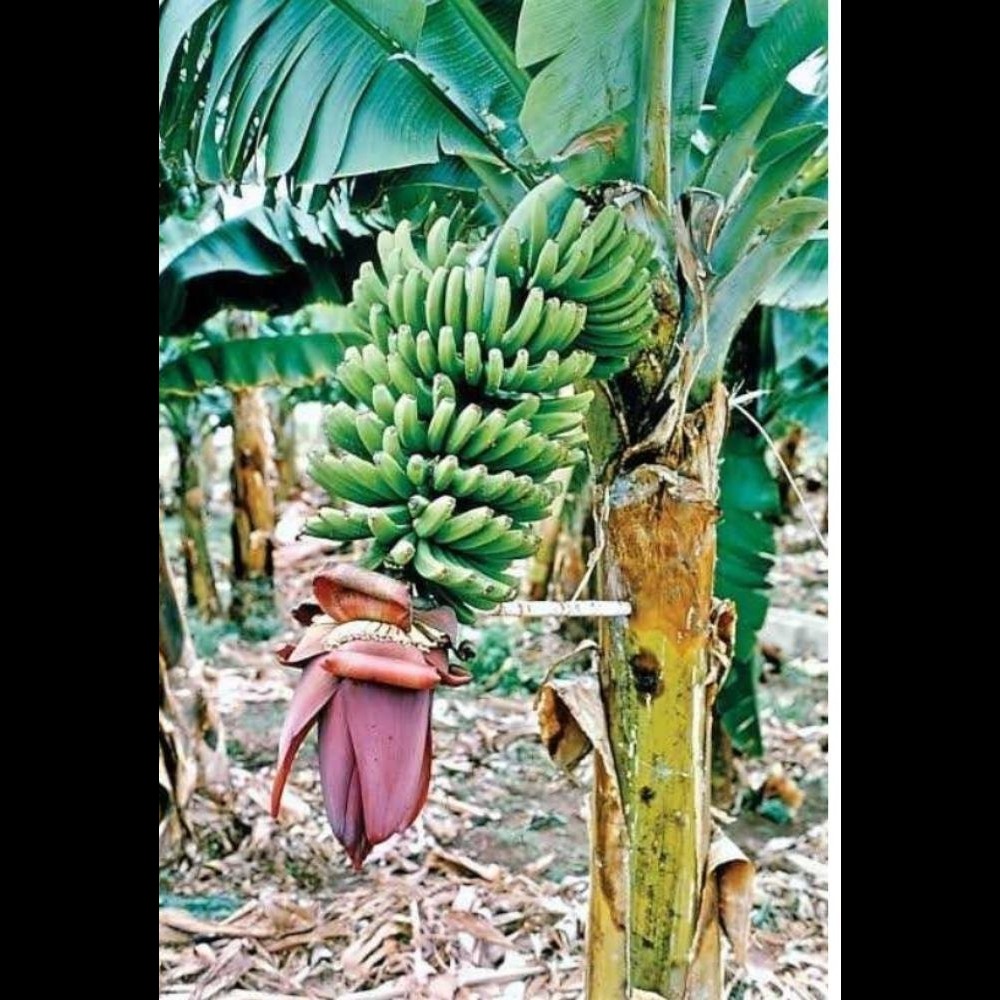
2026-11-17T08:46:12
preview Which Banana Plant Variety Is Best for My Farm The best choice depends on what buyers will pay for, how much water your soil can hold without becoming waterlogged, and how the plant will withstand Maharashtra’s heat, winter and wind. By comparing fruit type, plant size, crop timing, market fit, planting density and ratoon performance, you can shortlist a variety using your own farm records rather than a nursery label alone. Key takeaways Choose the buyer and fruit market before selecting a banana plant. Tissue culture describes propagation, not a banana variety. Match plant size and spacing to soil, irrigation and wind exposure. Compare income across the plant crop and planned ratoons. Start with the buyer, not the nursery label Choose the buyer before you choose a plant. There is no single best banana plant variety for farming: the right choice depends first on whether you will sell export dessert fruit, domestic dessert fruit, cooking bananas or plantains. Target market Plant type to evaluate Buyer’s deciding points Export dessert fruit Export-accepted Cavendish types Uniform size, green-life, peel appearance and packhouse specifications Domestic dessert fruit Locally preferred dessert cultivars Flavour, colour, bunch size, retail demand and harvest timing Cooking market AAB plantains or AAA East African Highland bananas Cooking texture, starch content, taste and cultural preference Wholesale or processing Cultivars accepted by the named buyer Delivered price, volume, maturity and rejection rate Plantains are mainly AAB-group cooking bananas, while East African Highland bananas are predominantly AAA-group cooking bananas. Do not rank either against Cavendish using export-dessert standards; a variety that yields well can still fail if households, retailers or processors reject its fruit. Treat banana plant types for farms as a market decision filtered through climate, drainage, disease pressure and planting-material supply. FHIA-01 Goldfinger, FHIA-17 and FHIA-23 offer disease-resistance advantages in some production systems, but their flavour, bunch form, maturation and appearance may differ from Cavendish. Before ordering, show fruit samples or photographs to your intended buyer and record the accepted cultivar, minimum bunch weight, maturity stage and price basis. Test a small plot first; planting the wrong market type across an entire farm turns a biological success into unsold fruit. How Ajit, Ambemohar, tissue-culture plants and Red Banana compare Do not compare nursery names alone. To choose banana plant variety, record the same field results for each option: fruit type, buyer acceptance, mature height, pseudostem girth, canopy spread, bunch weight, days to harvest, sucker production and ratoon vigour. Option Fruit and market Plant and crop records Ratoon and income implications Ajit Record whether local buyers treat it as dessert or cooking banana, and the price they offer Measure height, girth, canopy spread, bunch weight and crop duration in your soil Count usable suckers, ratoon harvest date and bunch weight before estimating annual income Ambemohar Check its local eating quality, seasonal demand and buyer acceptance Record the same measurements; regional performance can differ sharply Compare ratoon uniformity, replanting need, labour and saleable yield Jain tissue-culture plants This identifies the propagation source, not the fruit type; ask which cultivar is supplied Compare the named cultivar’s height, bunch weight and harvest duration with field-sourced plants Uniform establishment can reduce gaps and synchronise harvest, but verify sanitation, acclimatisation, cultivar identity and traceability Red Banana A red-skinned dessert banana needs a buyer who pays for its colour and eating quality Record height, bunch weight, crop duration and wind response under local conditions Count suckers and ratoon bunches; premium pricing matters only if yield and demand support it Do not enter a yield figure for tissue culture until the supplier names the cultivar. Calculate expected farm income as saleable bunches per acre multiplied by the confirmed farm-gate price, then subtract planting, irrigation, labour and replanting costs. Ask for trial records from comparable Maharashtra fields, not a generic catalogue claim about banana plants for plantation use. Match plant size, spacing and irrigation to your field A tall plant with a thick pseudostem and broad canopy needs more than a nursery label: it needs spacing, support and irrigation planned around its mature size. Measure height, pseudostem girth and canopy spread at harvest under your soil, water and fertility conditions; that is the useful banana plant size for farming. Size at harvest Spacing and population effect Wind and field effect Dwarf Closer spacing can raise plant population, but dense foliage increases shade and humidity. Easier harvesting; check bunch clearance and disease-prone wet zones. Medium Use canopy spread to set row and plant distance rather than copying a standard layout. Balances access, light and wind exposure. Tall Give the canopy and harvesting path more room, reducing population if leaves overlap. Greater leverage in storms; plan staking, shelterbelts and safe bunch access. Calculate population from the actual layout: plants per acre equals 43, 560 divided by row spacing in feet multiplied by plant spacing in feet. Narrow spacing can increase early yield, then reduce light, intensify foliar disease, complicate bunch protection and weaken ratoon uniformity. A thick pseudostem does not remove wind risk; a tall, heavy canopy still catches strong gusts. On exposed land, compare local storm losses before choosing tall banana plants for plantation blocks. Design drip-fertigation for the active root zone, soil texture and drainage, not a fixed daily volume. Place enough emitters to wet the root zone uniformly, keep filters and pressure regulation working, and split fertiliser through irrigation; waterlogging can damage roots as quickly as drought. Plan harvest timing, yield and income across the plant crop and ratoons Compare each option over one plant crop and at least two ratoons, because the best banana plant variety for farming is the one that produces reliable annual income, not merely the heaviest first bunch. Option Plant crop Ratoons Record before deciding Ajit Days to harvest, bunch weight and tonnes per acre Sucker count, ratoon harvest date and bunch uniformity Buyer acceptance and labour per harvest Ambemohar Crop duration and saleable bunch weight Ratoon vigour, gaps and replanting requirement Local price and cooking or dessert demand Red Banana Longer duration, bunch weight and rejected fruit Sucker production and disease carry-over Premium price after grading and transport loss Jain tissue-culture plants Propagation source; confirm the cultivar supplied Measure the named cultivar’s ratoon performance Do not compare it as a variety Calculate plant-crop income as saleable tonnes per acre multiplied by the realistic farm-gate price. Calculate ratoon income separately, subtracting fertilizer, irrigation, propping, bunch protection, harvesting and replanting costs. Planting season changes the result. A crop harvested during a local glut can earn less than a lighter crop sold in a strong window, while winter delays extend the field occupation and postpone ratoon revenue. Keep records for each planting date: planting-to-harvest days, marketable bunches, average bunch weight, total tonnes per acre and harvest price. Use banana plant size for farming as an income variable too. A shorter plant can reduce wind damage and harvesting labour, but excessive density can reduce bunch weight and increase disease pressure. Count healthy suckers per mother plant; many weak suckers create crowded ratoons, not free yield. Use a Maharashtra-specific decision check before planting Do not commit acreage until your field, water, planting material and buyer pass the same checklist. This is how you choose banana plant variety for Maharashtra rather than selecting the best banana plant variety for farming on name alone. 1. Heat and winter: Record April–May temperatures and December–January minimums at the site. Banana growth suffers when temperatures fall below about 12°C, while hot, dry winds above 40°C increase leaf tearing, irrigation demand and sunburn risk. Plan windbreaks and mulch before planting. 2. Drainage: Dig inspection pits after heavy rain. Reject land where water remains around the root zone for more than a day; shallow banana roots decline quickly in standing water. Confirm an outlet, field slope and raised beds where black cotton soil holds water. 3. Water supply: Test summer flow, salinity and bicarbonate, then check that every proposed drip block receives uniform pressure. A borewell that supports planting in June but fails in April will not support a full acreage. 4. Disease pressure: Ask neighbouring growers about Fusarium wilt, Sigatoka, bunchy top and nematodes. Avoid unverified suckers from affected fields, and budget rogueing and tool sanitation before disease appears. 5. Planting material: Obtain the cultivar name, nursery batch record, acclimatisation details and replacement terms. Tissue culture describes propagation, not variety. Himalaya Agro Consultancy Services can help you verify whether the supplied plants match the cultivar and planting schedule you ordered. 6. Buyer acceptance: Show fruit samples or photographs to your trader, wholesaler or processor and confirm size, colour, cooking quality and harvest window. Trial one block first; the banana plant types for farms that grow well may still fail your market. Related product BANANA PLANT BANANA PLANT BANANA PLANT VAREITY :- AJIT , AMBEMOHAR , JAIN TISSUE-CULTURE , RED BANANA View product → Frequently asked questions How do I choose the best banana plant variety for farming? Start with your buyer: export dessert fruit, domestic dessert fruit, cooking bananas or plantains. Then compare the variety’s plant size, market demand, field fit, irrigation needs and ratoon performance. Are tissue-culture banana plants a separate variety? No. Tissue culture is a propagation method. Ask the nursery to identify the actual cultivar, provide batch details and confirm that the plants are hardened and free from visible disease. How should banana plant size affect spacing and irrigation? Use wider spacing for larger plants and allow enough room for canopy, inspection and harvest movement. Match irrigation volume and frequency to soil texture, drainage, plant growth and water availability. What should Maharashtra farmers check before planting bananas? Check the local buyer, water supply, soil drainage, wind exposure, planting material identity, spacing plan, harvest season and the expected returns from the plant crop and ratoons.
2026-11-17T08:46:12


Submit Your Enquiry