preview
Sweet Orange Plants or Other Fruit Trees for Landscaping in Nagpur
Choosing a fruit tree for a Nagpur landscape depends on more than fruit preference. You need to match the tree’s mature canopy, water demand, drainage tolerance, harvest period and maintenance burden to the site, then specify planting stock that will remain healthy and manageable.
Key takeaways
Plant sweet orange in full sun with deep, well-drained soil.
Choose banana or papaya for faster results and smaller planting areas.
Allow 5–6 metres between sweet orange trees in orchard-style layouts.
Specify healthy, grafted plants and inspect drainage before planting.
Is sweet orange suitable for your Nagpur landscape?
Sweet orange is a good choice for a Nagpur home garden, farmhouse, institutional landscape, commercial property or orchard-style garden only when the site provides full sun, deep soil and reliable drainage.
Sweet orange plants for landscaping in nagpur need a separate irrigation zone from turf, because frequent shallow watering near the trunk keeps citrus roots and the graft collar wet.
Reject the site, or correct it before planting, if you find:
Compacted black soil that holds water after rain
A low lawn pocket where runoff collects
Standing monsoon water around the trunk or planting basin
These conditions raise the risk of Phytophthora root and foot rot. Use raised, loosened ground and keep drip emitters away from the trunk; move them outward as the canopy expands.
Evergreen foliage and attractive fruit give sweet orange strong year-round landscape value, but maintenance is not optional. Plan for fruit drop, leaf litter, suckers below the graft, juvenile thorns in some selections and regular pest monitoring.
Write Citrus sinensis and the named cultivar into the specification. “Orange plant” alone can result in Nagpur mandarin, Citrus reticulata, which differs in canopy habit, fruit colour, nursery identity and harvest timing.
Choose sweet orange for a sunny, well-drained site where citrus character and quality fruit matter; choose another tree when the ground stays wet, space is tight or maintenance access is poor.
How do sweet orange, banana and papaya compare?
Choose sweet orange for a permanent, formal garden structure; choose banana or papaya when quick harvest and a smaller commitment matter more. This sweet orange tree landscaping comparison turns on canopy, access and maintenance—not growth speed alone.
Option Shape, height and harvest Best fit and main drawback
Sweet orange Evergreen, broad canopy, 4–7 m mature height; a healthy grafted tree commonly crops in 2–4 years Formal entrances, lawns and orchard-style planting where full sun, deep soil and drainage are available; needs patience and space
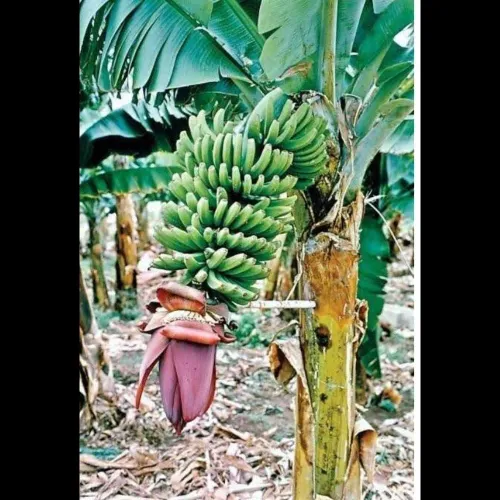
Banana Large tropical leaves on a 2–4 m pseudostem; can fruit in roughly 8–15 months; clumps are short-lived Fast screening and tropical effect; regular water, suckers, leaf fall and wind-damaged leaves create work
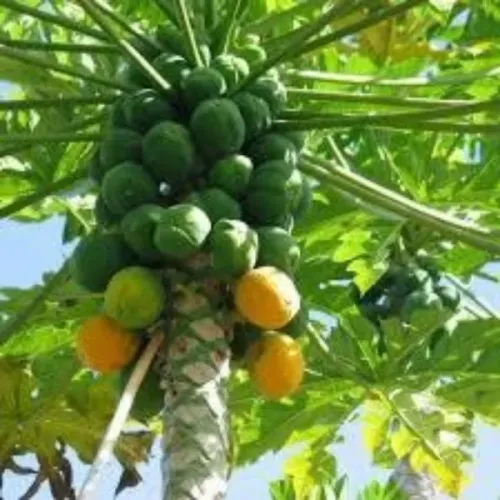
Papaya Narrow, open 2–5 m form; can fruit in roughly 8–15 months; productive life is shorter Tight beds and sunny corners; little horizontal shade, less substantial canopy and more frequent replacement
Sweet orange gives the strongest year-round structure and cleanest tree silhouette, but keep it away from narrow paths until the canopy and fruit-drop zone are understood. Banana suits a setback rather than an entrance because falling leaves, suckers and wind damage obstruct access. Papaya saves horizontal space but looks less substantial beside a main gate.
All three need strong sunlight. Select sweet orange when you can provide deeper soil and reliable drainage; choose banana for quick harvest with regular irrigation, or papaya for speed in a compact bed. Their fruit can still create litter, so avoid placing any directly over paving, seating or doorways.
Which fruit trees are best for different Nagpur garden briefs?
Choose another tree when the garden brief values early harvest, compact form or shade more than sweet orange’s evergreen citrus character and quality fruit. Guava bears earlier, tolerates more soil variation and responds well to pruning, but fruit fly pressure and bruising demand attention.
Option Best fit Trade-off
Guava Forgiving, prunable production Fruit flies, bruising and crowded shoots
Lemon or acid lime Compact gardens needing frequent household harvest Thorns, suckers, dense growth and citrus disease risks
Pomegranate Hot, relatively dry sites with limited canopy space Fruit cracking, bacterial blight and sunburn
Mango Long-term shade and strong visual presence Much more space, height, fruit drop and leaf litter
Sapota Evergreen cover on a spacious site Broad, slow-growing canopy
Ber Hot, drier locations Thorny selections make it poor beside paths
Custard apple Smaller seasonal fruit tree Less formal evergreen structure
Drumstick Fast growth and light shade Brittle branches and regular cutting back
For anyone comparing the best fruit trees for gardens in Nagpur, use this rule: choose sweet orange for a managed, well-drained site needing citrus form; guava for earlier, forgiving production; pomegranate for a compact dry-site tree; and mango or sapota for long-term shade.
Select lemon or acid lime for frequent kitchen harvest, not a low-maintenance path edge.
How much space and time does each planting arrangement need?
6–7 m between sweet orange trees gives an orchard-style block room for mature canopies, air movement, harvesting and maintenance. Use the mature canopy, not the height of the delivered plant, to set the layout. A specimen tree needs open space on every side, not a squeezed lawn corner.
Sweet orange plants versus other fruit trees landscaping in Nagpur follows the same rule: fast early growth does not guarantee less lifetime work.
Plant Mature-space and harvest pattern Main time or maintenance cost
Sweet orange Broad evergreen canopy; about 2–4 years to crop when grafted Slow establishment; separate drip zone, pruning and fruit-drop cleanup
Banana 2–4 m pseudostem; harvest in roughly 8–15 months Frequent water, suckers, leaf-fall and wind-damaged leaves
Papaya 2–5 m narrow, open form; harvest in roughly 8–15 months Quick replacement; shorter productive life and less structural shade
Use these spacing decisions for the landscape brief:
Set a boundary row far enough inside the plot that mature branches and fallen fruit stay clear of paths, walls and neighbouring land.
Choose a compact, regularly pruned selection for an informal hedge; do not use standard orchard spacing and call it a hedge.
Stagger heights in a mixed garden, while leaving access to each root zone and irrigation outlet.
Keep mature branches away from buildings, paving and overhead wires; do not allow turf irrigation to wet the trunk. Move drip emitters outward as roots and canopy expand.
Give banana and papaya room for replacement and suckers rather than treating their first harvest as the end of the planning period.
How should you specify and maintain sweet orange plants in Nagpur?
Before paying for orange plants for garden development in Nagpur, ask for the named cultivar, rootstock, graft union and nursery batch. Choose grafted or budded, true-to-type stock from a disease-screened nursery, not an unidentified seedling whose fruit quality and juvenile period are unpredictable.
Reject a plant with a buried, damaged or weak graft union.
Record the cultivar, rootstock, batch number and planting date on your site plan.
Ask what sanitation and disease-screening records accompany the batch.
Stock choice What you gain Main risk
Grafted or budded plant Predictable identity, earlier cropping and known root behaviour A poor nursery source can still spread citrus disease
Unidentified seedling Lower purchase complexity Variable fruit, longer juvenile period and uncertain canopy
Certified, batch-traceable stock Easier follow-up and replacement decisions Requires documentation before delivery
Check nursery provenance because citrus greening, also called huanglongbing, citrus tristeza, citrus canker and Phytophthora are procurement and sanitation risks. A clean-looking leaf cannot rule them out; infected stock can establish a persistent disease source in your garden.
Plant in full sun, deep loosened soil and a raised or well-drained position. Keep monsoon water away from the collar: compacted black soil, low lawn pockets and standing water increase Phytophthora foot and root rot.
Give the tree a separate drip-irrigation zone. Keep the trunk dry, move emitters outward as the canopy expands, and stop frequent shallow turf watering at the stem. Himalaya Agro Consultancy Services can help coordinate cultivar selection, drainage, drip layout and crop-protection planning; approve the tree identity, spacing and maintenance scope in writing.
Related products
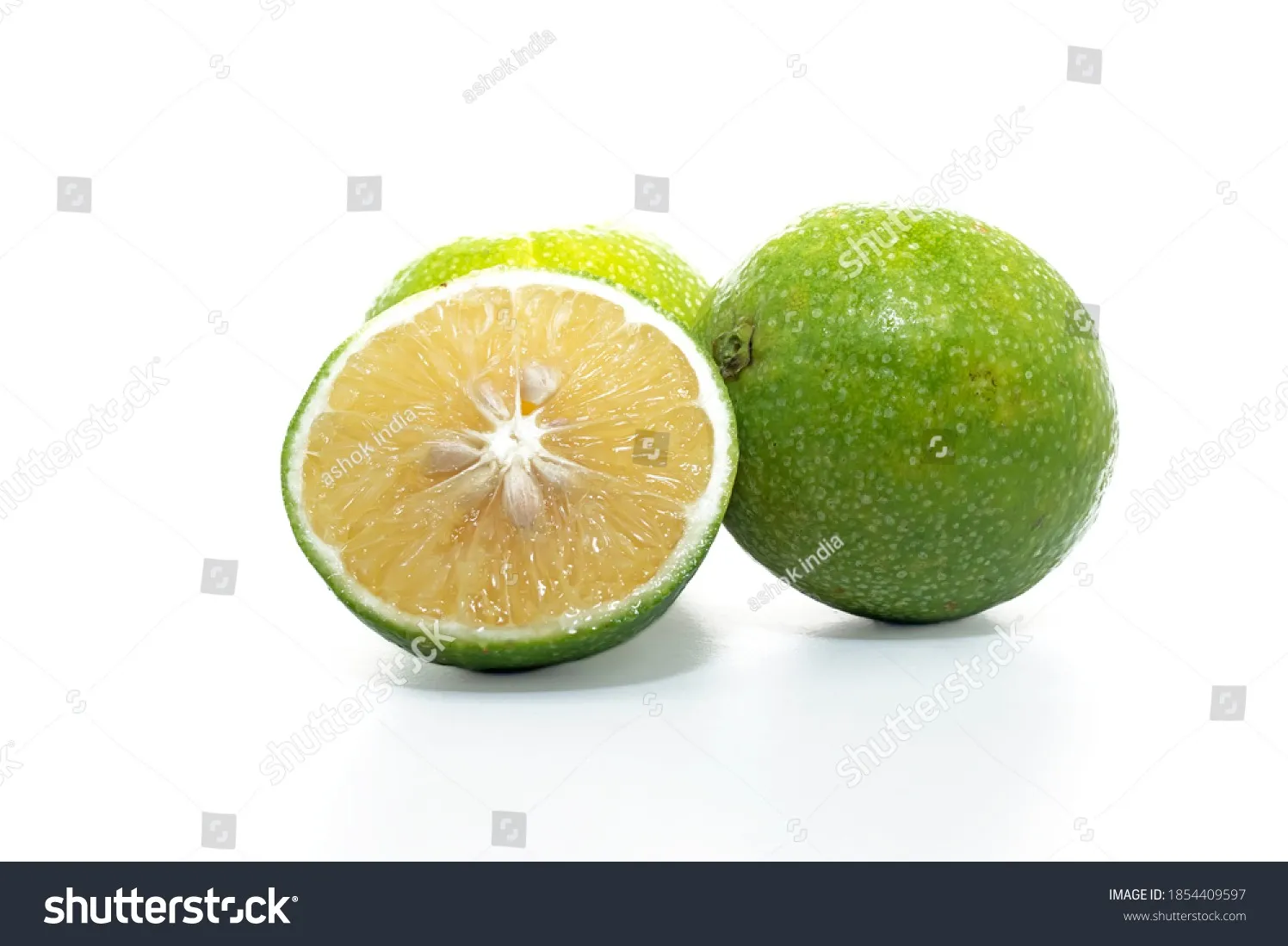
SWEET ORANGE PLANT
SWEET ORANGE PLANT
SWEET ORANGE PLANT
VARIETY:- KATOL GOLD , NAGPURI , NEW SELLER
View product →
BANANA PLANT
BANANA PLANT
BANANA PLANT
VAREITY :- AJIT , AMBEMOHAR , JAIN TISSUE-CULTURE , RED BANANA
View product →
Frequently asked questions
Is sweet orange suitable for landscaping in Nagpur?
Yes, when the site has full sun, deep soil and reliable drainage. Avoid waterlogged areas and heavy shade.
How do sweet orange, banana and papaya compare for Nagpur gardens?
Sweet orange provides a long-term tree form and seasonal fruit, while banana and papaya produce faster but need more regular replacement and care.
Which fruit trees are best for different Nagpur garden briefs?
Sweet orange suits permanent home, farmhouse and orchard-style landscapes. Banana and papaya suit quick screening, productive kitchen gardens and smaller spaces.
How much space does a sweet orange planting arrangement need?
Plan about 5–6 metres between sweet orange trees so mature canopies receive sunlight and remain accessible for maintenance.
How should you specify and maintain sweet orange plants in Nagpur?
Specify healthy grafted plants, inspect the root system and drainage, provide full sun, irrigate consistently and prune for access and airflow.
Related product
Papaya Plant Taiwan Red Lady 786
Hight Production Quality
Papaya Plant Taiwan Red Lady 786
₹15
20000plant
View produc
Keywords